By Dr. Kate Marks, Post Doctoral Research Associate at Durham University
Physical activity is about more than fitness. It shapes, and is shaped by: identity, health and society. Yet for many people, particularly those who experience marginalisation, accessing meaningful and sustainable physical activities, is constrained by structural inequalities.
Across my research, I examine how intersecting systems of power, identity, and social structures shape whose experiences are valued in sport and physical activity. From exploring women’s experiences in Rugby Union to investigating disabled people’s experiences of physical activity, my research career has prioritised intersectional voices. I have been informed by Black feminist theory[1], which has shaped how I perceive the central role of power within research.
Intersectional experiences of women in voluntary rugby leadership
During my PhD, I examined the intersectional experiences of women volunteering in leadership roles in Rugby Union in England. The structure of rugby union means volunteers are critically important at every level. Yet volunteer roles remain relatively inaccessible to diverse participants. For example: in a 2018 study by World Rugby, out of 13 national rugby unions, only two had over 30% women on the board (World Rugby, 2020).
When women do take on voluntary leadership roles, they experience a labyrinth of barriers and incidents of discrimination. They lack the support to develop and are more likely to leave roles earlier than their male counterparts. In order to address this issue, my research focussed on how gender, race, class, disability and other facets of identity intersect to shape leadership pathways.
Drawing on Hill Collins & Bilge (2016; 2020) women’s voices were at the centre of this research, generating new insights into opaque structures that have historically been dominated by men.
Black feminist traditions of storytelling informed the creative nonfiction methodology adopted in this research. This approach enabled me not only to foreground women’s experiences of discrimination, oppression, and marginalisation but also to illuminate how women’s activities reshaped leadership spaces through everyday practices of resistance, care, and community-building.
This research offered original and rigorous insights including:
- Revealing how structural inequalities shape access, belonging and opportunities for women in voluntary rugby leadership roles.
- Highlighting strategies women use to negotiate, resist, and reshape organisational power.
- Demonstrating that sports volunteering is shaped by emotions and relationships, which impacts how organisations recruit, keep, and support volunteers.
Throughout my PhD, the support of my supervisors Professor Leanne Norman and Dr Annette Stride at Leeds Beckett University, alongside opportunities provided through the Doctoral Training Alliance (DTA) programme were instrumental in developing my research skills, confidence, and professional networks. These experiences shaped both the direction of my research and my transition into postdoctoral research.
Moving intersectionality and co-Production
Following my PhD, I took on a Postdoctoral Research Associate role in the Moving Social Work programme at Durham University. In partnership with Disability Rights UK and Sport England, this project seeks to embed physical activity advocacy into social work education and practice. I lead the Moving Intersectionality strand, which examines how multiply marginalised disabled people experience physical activity and explores how social workers can take an intersectional approach in practice. Multiply marginalised disabled people are individuals who experience multiple identity-based barriers at the same time as their disability e.g. race, gender, class.
This work is co-produced alongside disabled people and social work practitioners, valuing lived experience as central expertise. We have used creative and participatory research methods to capture embodied, sensory, and affective experiences often overlooked in traditional research.
We are exploring the intersections between identity, embodiment and social systems, producing work that is meaningful and capable of influencing education, policy and practice. Sharing this research as widely as possible is key to generating impact. To date, we have:
- Published peer-reviewed journal articles translating intersectional research into applied practice.
- Co-designed training workshops for social workers and community partners.
- Developed an infographic resource translating best practice into easy-access formats.
In 2026, I will be undertaking a Visiting Fellowship at Linköping University in Sweden, in the theme of Interdisciplinary Medical Humanities and Bioethics. This fellowship offers an opportunity to expand my interdisciplinary research and connect with scholars across humanities, social sciences and medical fields.
Next steps
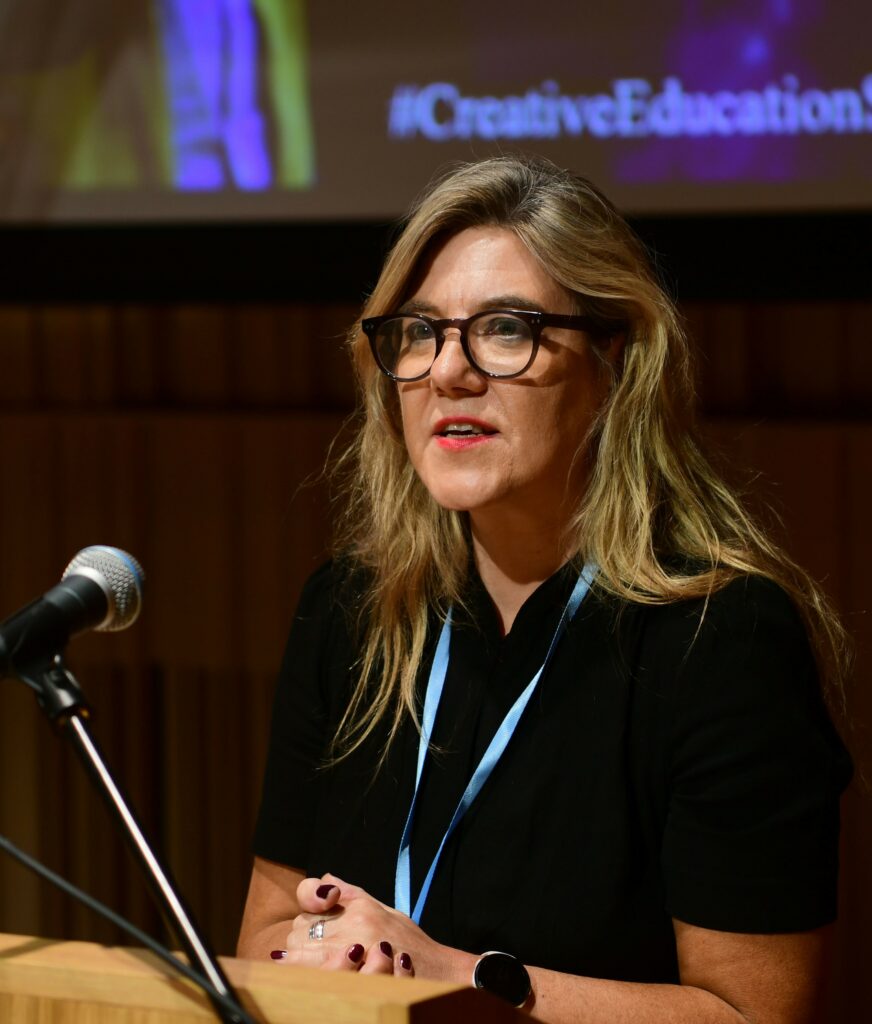
Being shortlisted for the DTA Alumni Award at the Alliance Awards was a huge honour and offered the chance to reflect on my research journey. None of this research would have been possible without the participants and co-production partners who have shared their stories with me. Their voices have provided original perspectives on the lived realities of physical activity and sport settings, prompting new conversations and research avenues.
Through ongoing interdisciplinary collaboration and applied research, I aim to continue producing research that advances theory and creates real-world impact. At a time when sport, health and social work systems are under increasing pressure to address inequality, my work demonstrates how intersectional, co-produced research can generate practical tools, reshape professional conversations, and centre lived experience in meaningful and transformative ways.
[1] Hill Collins & Bilge (2016, 2020), Audre Lorde (1982, 1984), Crenshaw (1989) and Gloria Anzaldúa (1987).